Sustainable packaging

Eucerin’s commitment to sustainable packaging

1 min. read

No navigation available

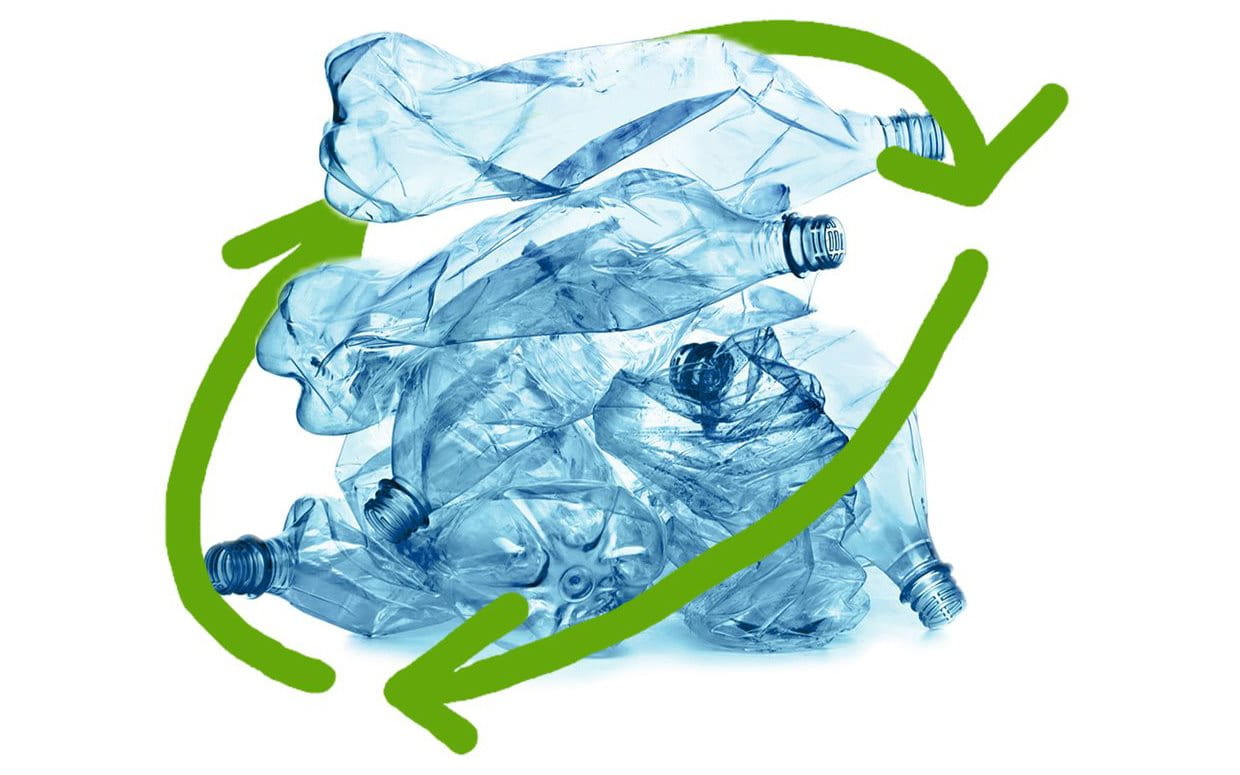
Re-thinking plastic and the 4 R’s

Plastic pollution is one of the most significant environmental challenges of our time. However, pollution is not the only issue: it is also a fact that the production of plastic requires finite fossil materials.

For these reasons, we at Eucerin design our packaging to reduce its carbon footprint.

We follow the principles of the 4 R’s: Reduce, Reuse, Recycle, Replace.

Reduce

We are working on reducing our overall use of plastic packaging. This includes removing unnecessary packaging material and lightweighting the packaging design. That is why the new caps on our Urea, AtopiControl and pH5 hand cream tubes are made with 43% less plastic (compared to the previous tube caps). Using less material can contribute to reducing associated GHG emissions. So, in this case, less really is more.

Reuse and Refill

Refill systems can reduce the amount of packaging material required compared to purchasing a new primary packaging. Over 20 years ago, we launched our pH5 refill bags. These help consumers refill existing bottles and result in 65% less plastic waste compared to a standard 400 ml bottle. Since then, we have expanded our range of refillable packaging formats to our Face Care refill jar using 90% less plastic compared to the conventional regular 50ml Eucerin Face Care jar.

Recycle and Replace

To lower the environmental footprint of our packaging and foster a circular economy, we have expanded the use of recycled materials across our packaging portfolio. As plastic recycling avoids the extraction of new crude resources and requires less energy than virgin material production, we also contribute to reducing greenhouse gas emissions in this way. We achieved our first major milestone with our Face Cleanser bottles, which have been made of up to 98% recycled plastic since early 2021. Since then, we have expanded the use of recycled plastic in our packaging across our product assortment. Our Body Cleanser bottles, for example, are now made of up to 99% recycled plastic. To actively support a circular economy, we consider recyclability as part of our packaging design process and regularly review opportunities to improve packaging recyclability.

We are continuously working to combine the highest level of product efficacy with a reduced impact on the environment. This work includes reviewing and updating our product packaging with environmental considerations in mind. The measures described above, guided by the principles of a circular economy, can contribute to reducing greenhouse gas emissions associated with our packaging.

Find out more about our ambitions here or in the Beiersdorf’s non-financial statement in the annual report: Download Center | Beiersdorf 

Recommended articles

Climate Commitment

Climate Commitment

Microplastics

Our Approach to Microplastic

A hand holding a small round Palm Oil kernel

Raw materials in skincare

Sustainable Palm (Kernel) Oil Sourcing

Alternative Test Methods

Alternative Test Methods

Climate Commitment

Climate Commitment

Microplastics

Our Approach to Microplastic

A hand holding a small round Palm Oil kernel

Raw materials in skincare

Sustainable Palm (Kernel) Oil Sourcing

Alternative Test Methods

Alternative Test Methods

Climate Commitment

Climate Commitment

Microplastics

Our Approach to Microplastic

A hand holding a small round Palm Oil kernel

Raw materials in skincare

Sustainable Palm (Kernel) Oil Sourcing